
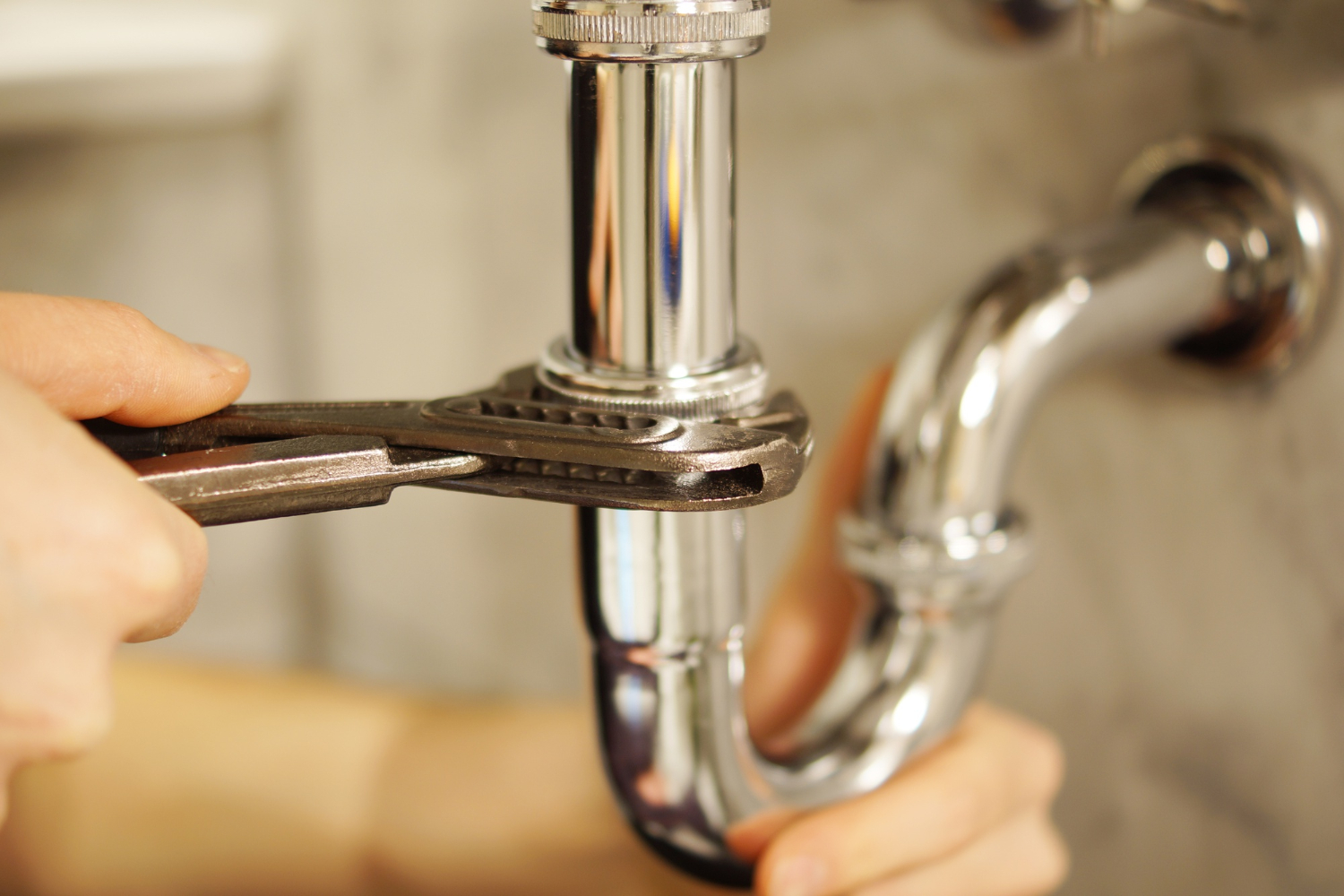
Plumbing emergencies rarely happen out of nowhere. In most cases, they’re the result of small issues that go unnoticed until they become costly problems. The good news? With a few proactive steps, you can prevent plumbing emergencies and protect your home year-round.
1. Watch for Early Warning Signs
Small warning signs often come before major plumbing failures. Ignoring them can lead to burst pipes, water damage, or sewage backups.
Look out for:
- Slow drains
- Unusual noises in pipes
- Water stains or damp spots
- Sudden changes in water pressure
If you notice any of these, it’s best to act early:
👉 Schedule a Plumbing Inspection
2. Be Mindful of What Goes Down Your Drains
Clogged drains are one of the most common causes of plumbing emergencies. Everyday habits can either protect—or damage—your pipes.
Avoid putting these down your drains:
- Grease and oil
- Food scraps
- Hair and soap buildup
- Non-flushable items
Prevent buildup before it starts:
👉 Professional Drain Cleaning
3. Maintain Your Water Heater
Water heaters can fail without proper maintenance, leading to leaks or no hot water when you need it most.
To stay ahead:
- Flush the tank annually
- Check for rust or corrosion
- Monitor water temperature consistency
Stay prepared with expert help:
👉 Water Heater Services
4. Know Where Your Shut-Off Valve Is
In a plumbing emergency, time matters. Knowing how to shut off your water quickly can prevent serious damage.
Make sure you:
- Locate your main shut-off valve
- Test it occasionally
- Ensure everyone in your household knows where it is
5. Schedule Routine Plumbing Maintenance
The most effective way to avoid emergencies is through regular professional inspections. A licensed plumber can detect hidden issues before they escalate.
Final Tip
Waiting until something breaks is always more expensive. A little prevention now can save you from major repairs later. Stay proactive—and keep your plumbing system running smoothly year-round.